perjantai 25. heinäkuuta 2014

Top 250: #101 - #120

120. Wedding Nails, by Porcupine Tree
(In Absentia, 2002)
Like .3 that started our previous blog entry, Wedding Nails is also another somehow ominous instrumental track from Porcupine Tree's 2002 masterpiece In Absentia. It perfectly exemplifies the harder rocking sound that the group introduced on that album: guitars and drums are aggressively brought to the front of the soundscape, creating an excellent progressive rock track.

119. Two Against Nature, by Steely Dan
(Two Against Nature, 2000)
After releasing Gaucho in 1980, Steely Dan seemed to have nowhere to go. Perfect sonic sterility they had looked for had been achieved. The next album didn't come out until a full 20 years later. The title track of Two Against Nature is simply irresistible with is complicated drum pattern and enjoyable, self referential lyrics. Nothing to do with progressive rock but excellent musicianship of another kind.


118. Green Grass of Tunnel, by Múm
(Finally We Are No One, 2002)
A third consecutive track from the same period in time, Green Grass of Tunnel was at one point one of our favorites and probably in the top 30 then. The Icelandic group has a childlike approach to both their album covers and music itself. Many of their compositions are instrumental but this one is an exception: a song with actual lyrics that would however work as well without them.

117. B.Y.O.B, by System of a Down
(Mezmerize, 2005)
The next track couldn't possibly be more different than B.Y.O.B. is from the naive and simple sounding songs of Múm. The hard rocking Armenian Americans System of a Down really know how to combine extreme metal riffs with melody driven passages. In this song from their 2005 album they truly outdo themselves. Shame, then, that there would be only one more album from the group before their inevitable disbanding.

116. Time Out from the World, by Goldfrapp
(Supernature, 2005)
The British duo Goldfrapp appears on our list for the first time. In essence, they are a pop group leaning towards electronica, but particularly on their later albums they have proved to be much more ambitious than most. Time Out from the World appears on their third album; they have released another three since. It is an exceptionally beautiful pop song that never fails to move us.

115. Three Fact Fader, by Engineers
(Three Fact Fader, 2009)
So, here we have already the sixth consecutive 2000's song release. The title track of Engineers' excellent second full length studio album has reached a surprisingly high position on the list, considering it isn't really in our top three from that album, let alone from the group's entire output. Yet it is a perfectly fine art rock / pop track and a good way to introduce newcomers to their sound and style.


114. Underneath the Waves, by Strapping Young Lad
(City, 1997)
So here it is, then: the greatest metal track that we know of. If you know of one that is greater, you are welcome to let us know. On the album City, Underneath the Waves immediately follows AAA that we already discussed (#146). Played back to back, these two deliver one hell of a ten minute nirvana of extreme metal. And to think we found these tracks only about a year ago, yet they have already climbed this high!

113. Remember Us, by The Pineapple Thief
(Variations on a Dream, 2003)
At approximately 16 minutes, Remember Us is one of The Pineapple Thief's longer creations. It closes their 2003 album Variations on a Dream and is to our understanding dedicated to the victims of 9/11. It is an exceptionally downbeat and mournful song in the group's catalogue, but there is something grand about the way its sadness is combined to magnificent beauty.

112. Trains, by Porcupine Tree
(In Absentia, 2002)
In Absentia seems to have become a regular visitor on our list. So far, we have had Heart Attack in a Lay by (#201), .3 (#140), Wedding Nails (#120) and now this. While this may seem a bit repetitive, we need to point out that the album is a towering achievement in not only 2000's releases but progressive rock in general. Trains is a lovely song with no hard rock or metal riffs that are otherwise frequent on In Absentia.

111. Main Title from Quake, by Nine Inch Nails
(Quake, 1996)
Quake is not an album but a well known first person shoot-'em-up video game from id Software; their more realistic looking follow up to the classic Doom games. Guess who composed the music for the game? Fresh off the classic The Downward Spiral (1994), Nine Inch Nails composed a soundtrack that mostly belongs to the dark ambient genre. The opening track however has some industrial NIN aggressiveness to it.
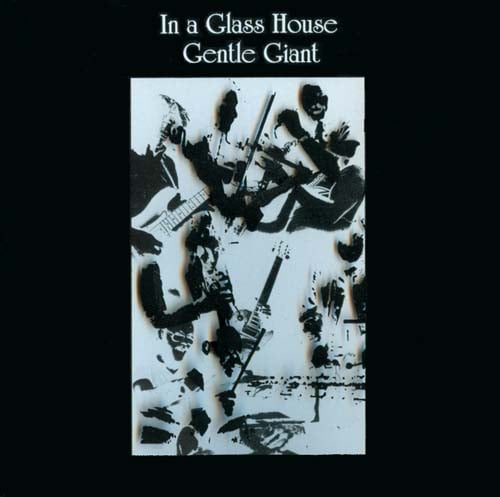

110. An Inmate's Lullaby, by Gentle Giant
(In a Glass House, 1973)
This surprising appearance of progressive rock cult band Gentle Giant this far high on the list is explained by the fact that we at ProgActive never owned the vinyl version of the album In a Glass House and the CD took a really long time becoming available. When it was released we purchased it and this beautiful ballad is our favorite song on it. Hence, it got a lot of playtime after April, 2006.

109. Meridian Moorland, by Peter Baumann
(Trans Harmonic Nights, 1979)
The German electronic music composer Peter Baumann was a member of Tangerine Dream during that group's golden era. Following his departure in 1977, he released his second solo album Trans Harmonic Nights which contains this masterpiece and also some other really good compositions. In this instrumental work, Baumann expertly creates an ominous atmosphere using only electronic instrumentation.

108. Felt Mountain, by Goldfrapp
(Felt Mountain, 2000)
The title track of Goldfrapp's debut album is what initially made us interested in the British duo we already mentioned only eight places further down (#116). Felt Mountain is a mostly instrumental track with some synthesized vocal work by singer Alison Goldfrapp, like the rest of the album. We think it can be called a modern art pop masterpiece. The duo is likely to appear again further up on the list.

107. Inner Silence, by Anathema
(Hindsight, 2008)
This beautiful song is a new version of the original one, created specifically for the 2008 album Hindsight. There, the group re-recorded their earlier songs as new, in many cases more mellow versions. In this case, the original track that had been released a decade earlier was not that much different but anyway, it is the new version that we have played over and over again.


106. I Drew a Final Breath in the Dream, by Maju
(Maju-2, 2000)
Maju is a Japanese electronic music group from Tokyo. They have stated that their mission is to use music for describing what it is like to live there. They have named their albums very simply: Maju-1, Maju-2, Maju-3, etc. This second album of theirs came out in 2000 and contains several excellent compositions. Maju is guaranteed to reappear in the top 100, probably quite far up.

105. The Sky Moves Sideways, Phase 1, by Porcupine Tree
(The Sky Moves Sideways, 1995)
Essentially still a solo work by Steven Wilson, the long opening track of Porcupine Tree's 1995 album The Sky Moves Sideways always marked the point where PT started seeming destined for greatness. The previous albums had been interesting, sure, but it wasn't until we heard Phase 1 that we were convinced that Wilson was taking progressive rock seriously and was going to be a major player in that field. Of course, that was exactly what he became.

104. She Reminds Me of You, by Trent Reznor & Atticus Ross
(The Girl With the Dragon Tattoo, 2011)
This recent instrumental from a major Hollywood film has received a surprisingly high position on the list. Following their Oscar win for The Social Network (2010), Trent Reznor and Atticus Ross had really no chance to repeat that feat, and true enough: the soundtrack to The Girl With the Dragon Tattoo hardly matches its brilliant predecessor. But it does have its great moments, and this is one of them.

103. Collapse the Light into Earth, by Porcupine Tree
(In Absentia, 2002)
So we are back to In Absentia; for the third time in this blog entry, and for the fourth overall. This stunningly beautiful song is its closing track: one of the greatest musical achievements of the entire decade. There are probably a couple of more tracks from this album in the top 100, but other than that, the album suffers from coming out a bit too early in relation with our start date of April, 2006.


102. All That's Left, by Spock's Beard
(Spock's Beard, 2006)
Finally, two more relatively recent entries will complete this blog entry. We already had one track from Spock's Beard's self titled 2006 album on the list: Stream of Unconsciousness (#131). This one is a non-progressive, beautiful song about lost love that we couldn't help but love back when the album came out. We would anticipate at least one, or perhaps two additional entries from this album in the top 100.

101. Kingdom, by Dave Gahan
(Hourglass, 2007)
Depeche Mode singer Dave Gahan released his second solo album Hourglass in October 2007, and it still remains his most recent one. He proved to have overtaken DM when it came to songwriting quality. Kingdom is catchy as hell, and also benefits from high production values especially when it comes to percussion sound. The drum beat is simply irresistible and the song itself one of the greatest pop tracks of 2007.

maanantai 14. heinäkuuta 2014

Top 250: #121 - #140


140. .3, by Porcupine Tree
(In Absentia, 2002)
Porcupine Tree's towering masterwork In Absentia is our number one favorite in their discography, so it comes as no surprise that there are several tracks taken from it in not only Top 250 but in fact Top 140. .3 is a powerful instrumental track, almost as if hidden somewhere in the middle of the album. No reason - when all material on an album is this strong, there is really nothing to hide.

139. Lightdark, by Nosound
(Lightdark, 2008)
This is already the third track on the list from Italian Giancarlo Erra's Nosound, following Constant Contrast (#211) from their later release, and Someone Starts to Fade Away (#210) from this very same 2008 album. This title track might be our favorite on it. An absolutely beautiful melody backed up by a nicely echoing piano. Atmospheric and unforgettable.

138. Stinkfist, by Tool
(Ænima, 1996)
Following Schism (#225), Vicarious (#198) and The Grudge (#167), this is already the fourth and almost certainly final appearance on the list by American progressive metal artists Tool. Frankly, it comes as a surprise to us that the opening track of their second studio album, already 18 years old, ended up higher on the list than the newer, more polished ones. There is some raw power at play here.

137. La Mer recommencée, by Vangelis
(L'Apocalypse des Animaux, 1973)
This is an early masterpiece from Greek electronic music wizard Vangelis, from the time when he lived in Paris, composed music for films, and named his compositions in French. L'Apocalypse des Animaux was his breakthrough album that even led to discussions on whether he should join progressive rock supergroup Yes following the departure of their keyboard player Rick Wakeman.


136. Light Mass Prayers, by Porcupine Tree
(Signify, 1996)
Here comes another Porcupine Tree track. Light Mass Prayers seems to be little more than a short interlude between two actual tracks on the album Signify, but somehow we always connected to it more strongly than we did to those other two. We have mentioned the word "atmospheric" a few times already; here is a composition you could use to define the term. It is a perfect example of how music can take you to another place by power of suggestion alone.

135. Resurrect Dead on Planet Jupiter / Last Dream Before Dawn, by American Hollow
(Screaming into the Void, 2012)
This is actually a combination of the first two tracks on American Hollow's second album, out only two years ago. Resurrect is only a short introduction, Last Dream is the actual song that brings Blackfield to mind. American Hollow started as a progressive metal group on their debut; here, they have replaced metal with rock, and also with some really gentle elements exemplified by Last Dream.

134. Come in out of the Rain, by Engineers
(Folly, 2004)
At the beginning of their career a full decade ago, British shoegazers Engineers displayed some exceptionally strong songwriting skills. This track is a particularly good example of that. It will be interesting to see if their new album Always Returning, due out next month, will be anywhere near this level. Come in out of the Rain was also included on the group's self titled debut album (2005) but its first publication was on the EP Folly, out the previous year.

133. Earth Day, by Devin Townsend
(Terria, 2001)
Ever since we discovered Devin Townsend, this song has been a major favorite for us, so here we are, for a change actually wondering why it hasn't climbed any higher on the list than this. A great, great progressive metal anthem from the album that was Townsend's salute to his home country Canada. It is over eight minutes long but packs more punch than most other albums in their entirety.


132. Interlink, by Tetsu Inoue
(World Receiver, 1996)
Another Japanese composer in the Top 250 besides Yasushi Yoshida is Tetsu Inoue, whose 1996 album World Receiver contains the delightful track Interlink. We suppose it really belongs to the ambient music genre, but what causes this approximately ten-minute long composition to stand out in that context is the skillful use of sound effects as well as its exceptionally good natured overall feel.

131. Stream of Unconsciousness, by Spock's Beard
(Spock's Beard, 2006)
In spite of being self titled, this album is actually already the ninth effort by American prog rockers Spock's Beard - and since then, they have released another two. Stream of Unconsciousness is an instrumental closing section of a 17-minute long combination of four separately named tracks. Since these were marked with different track numbers, it received a rank of its own on the list. Easily the best section of the whole, it is an irresistibly fun and energetic prog track.

130. All Sweet Things, by No-Man
(Schoolyard Ghosts, 2008)
Following Pigeon Drummer (#219), Close Your Eyes (#185) and Truenorth (#161), this is already the fourth appearance of No-Man on the list. This beautiful song opens the dynamic duo's latest album and is admittedly a very lovely thing to listen to but one that lacks the strong dynamic of a Pigeon Drummer. This is the third and probably last pick from Schoolyard Ghosts, but not the last we'll hear of No-Man.

129. Ibby it is, by Happy the Man
(Crafty Hands, 1978)
One of the greatest symphonic progressive rock instrumentals of the seventies, Ibby it is reached a surprisingly poor rank on the list, but this is of course explained by us listening to it a lot of times before introduction of iTunes in April 2006. The track from American prog group Happy the Man's second studio album is arguably the unsurpassed highlight of their entire recorded output.


128. Darkness, by Lamb
(Between Darkness and Wonder, 2003)
Lamb is not progressive rock, but we would be hard pressed to define what it is. Difficult to label, the stunningly beautiful opening track Darkness from their 2003 album Between Darkness and Wonder is nowhere near as dark as its title might suggest. The music is really only a cocoon from which the existential lyrics emerge. The listener can respond with nothing but sheer awe.

127. The Man With the 4.7, by Jem Godfrey
(Music in the Typewriting Room, 2001)
Yes, there never really was an album called Music in the Typewriting Room, but the Frost* frontman Jem Godfrey used to have a collection of experimental tracks from this particular era available for download on this web site, using that as a header, so we will reuse it. This humorous track has played enough times to reach a respectable chart position. We suspect the "title track" will be also on the list, higher up. Fun fusion of pop and prog, with great production values.

126. Wind Won't Howl, by OSI
(Fire Make Thunder, 2012)
Following the older track Once (#223), this is the second appearance of American progressive metal group OSI on the list. Fire Make Thunder is the band's fourth studio album and latest release, out a couple of years ago. Wind Won't Howl is not a particularly metallic song but more of a low key effort with well written melody. Original Dream Theater keyboardist Kevin Moore knows his craft very, very well.

125. Island, by Echolyn
(Echolyn, 2012)
Another American progressive rock group Echolyn has a somewhat different style compared to OSI. Their latest release is also from 2012, and is already their second self titled album, following 1991's debut. Island is its absolutely stunning opener that runs over 16 minutes and already proves that the group is still in great form, after all these years. We cannot wait for their next album release and can only hope that one is forthcoming.


124. Thrombosis Sonata, by Donny Who Loved Bowling
(Headstone, 2013)
The third recent release from an American group in a row on the list is perhaps the most challenging one. Donny Who Loved Bowling is an experimental music outfit with only two members. This is by far our favorite track on their most recent release Headstone: an atmospheric (again) instrumental that is very reminiscent of the early works of film composer Howard Shore. This composition would be right at home on the soundtrack of Videodrome (1983).

123. Futile Devices, by Sufjan Stevens
(The Age of Adz, 2010)
Yet another relatively recent American release, but not from a progressive rock group. Singer-songwriter Sufjan Stevens already appeared once on the list with his best known song Chicago (#150). This beautiful song made it higher up on the list probably only because of its more recent release and therefore higher chance of being played via our iTunes collection. The song opens the album and runs only two minutes and eleven seconds.

122. Something to Believe in, by The Bangles
(Everything, 1988)
OK, so we still have an occasional pop song on the list here and there. In this case, it is hardly any wonder. Yet one American group or artist - this is already the fifth one in a row - released one of their best loved albums called Everything in 1988. There were other songs on it that gained more popularity but this pretty song has always been our number one favorite. Hence, it made it to the upper half of Top 250.

121. Entry 11-19-93, by Echolyn
(As the World, 1995)
And here is the sixth subsequent American release. We had to check: it will end here, #120 that opens the next blog entry is a song from a British artist for a change. Entry 11-19-93 is a wonderful track that practically demands to be played in succession with the next one on As the World, called One for the Show. Combined, these two make one hell of a ten-minute sequence for the listener. Shuffle plays must have separated these great songs on the list but we are sure that One for the Show will shortly follow. Do not miss either one!

lauantai 12. heinäkuuta 2014

Top 250: #141 - #160


160. Lydia, by Paradise Lost
(One Second, 1997)
Here is yet another song that we have already discussed in another blog entry. Almost precisely two years ago, there was a short piece about this exceptional track that you can check out right here. The earlier output of Paradise Lost was much more doom laden, so One Second probably came as a small shock to the British group's original fans. Lydia's complicatedness certainly piqued our interest at the time.

159. Reaching Land, by Patrick O'Hearn
(Transitions, 2011)
Patrick O'Hearn, who we originally got to know from Frank Zappa's band in the late seventies, has been making solo albums for some three decades, and they have little to do with Zappa or his style. O'Hearn's albums might best be categorized as new age, but stand out in that genre thanks to their strong compositional approach. The opening track from the 2011 album Transitions is a perfect example.

158. Rikki Don't Lose That Number, by Steely Dan
(Pretzel Logic, 1974)
The American duo Steely Dan has absolutely nothing to do with progressive rock, which is virtually the only reason we grew to appreciate their body of work only less than five years ago. Heard at a young age, Aja (1977) offered nothing to a prog enthusiast. Heard in middle age, it is a different thing altogether. The seminal opener of Pretzel Logic (1974) has played a lot since its inclusion in our collection.

157. Atonement, by Opeth
(Ghost Reveries, 2005)
Ghost Reveries was our first introduction to the Swedish progressive metal group Opeth. On that album, they mostly resided at the metal end of their musical spectrum but have become more of a progressive rock group since. Atonement has some beautiful passages as well as heavier ones. In particular, we enjoy its opening sequence.


156. Mushroom, by Can
(Tago Mago, 1971)
Apparently we haven't always played Can's Mushroom and Oh Yeah (#178) back to back, even though they are placed that way on Tago Mago, arguably the group's first true masterpiece. Therefore, the more controlled Mushroom is 22 places higher up on the list than its zanier counterpart. Damo Suzuki's singing gets aggressive now and then but otherwise, this is a relatively restrained effort, albeit with noticeable underlying tension.

155. Animate, by Rush
(Counterparts, 1993)
Following 1991's Roll the Bones, Rush released Counterparts which to me sounded like a step back into the right direction. Soundscape was still extremely polished, but there is a difference between sounding sterile and sounding accomplished. The opening track Animate is a killer rock song that immediately hooks you and never lets go. Pay particular attention to how Alex Lifeson's guitars sustain the song's momentum all the way to the end.

154. Strutton Ground, by Steve Hackett
(To Watch the Storms, 2003)
Shamefully, we must admit that we forgot about Steve Hackett some time in the mid-eighties, thinking he had run out of ideas and would have little more to offer. To have been so wrong is embarrassing. But it was for this reason that we discovered this gem, as well as the excellent album To Watch the Storms only a few years after it had come out. In addition to this outstanding opening track, don't miss Circus of Becoming, This World or Serpentine Song.

153. The Other Me, by Frost*
(Milliontown, 2006)
It is somehow oddly fitting that we at ProgActive consider The Other Me the weakest track on the masterpiece that is Milliontown, the debut album of British prog rockers Frost*. Since it still almost made it to our top 150, it must mean that the remaining five tracks have also ranked on the list. We haven't checked - in fact, haven't even looked at the list after its first formation on 6 June - but think it's likely.


152. Videotape, by Radiohead
(In Rainbows, 2007)
For some reason, many of the tracks listed here are either opening or closing tracks of their respective albums. Videotape belongs to the latter category: it closes Radiohead's self financed 2007 album In Rainbows. We think it wasn't a particularly successful effort overall, but contains two or three good songs, the best one of which is this one. A restrained, low key track with Thom Yorke and a piano.

151. Polygon Window (Dirty Motel Mix), by Aphex Twin
(1992 - 1993?)
Herein lies a mystery. Polygon Window is the opening track of Surfing on Sine Waves (1992), the debut album of Polygon Window aka Richard D. James, later better known as Aphex Twin. It is a decent electronic music instrumental that wouldn't however have made it to the list. The track that did is a later variation called Dirty Motel Mix, which we are unsure of 1) if it has ever been included on an album, 2) if it was completed in the same year of the next, 3) or even how it ended up in our iTunes collection. A magnificent remix, in any case.

150. Chicago, by Sufjan Stevens
(Illinoise, 2005)
Nothing to do with progressive rock but everything to do with high quality singer-songwriting, Sufjan Stevens' Chicago came to our attention back when we first saw the trailer for the film Little Miss Sunshine. As a piece of melody driven art rock, it is just about perfect. Its discovery resulted in an explosion of other Sufjan Stevens songs to our collection, although it is doubtful there will be others higher up on the list.

149. Parade (For Closure), by Yasushi Yoshida
(Secret Figure, 2006)
The Japanese composer Yasushi Yoshida's stunning debut album Secret Figure still remains his best. ProgActive was extremely lucky to stumble upon it only a couple of years after its release. Yoshida's peaceful music is all instrumental and relies heavily on the use of piano and strings. And since this particular track is not even our number one favorite, it seems very likely that we will run into Yoshida again further up on the list.


148. Latericius Valete, by Pain of Salvation
(Be, 2004)
Latericius Valete is already our second pick from the album Be by Pain of Salvation, so it must really have made an impression on us at some point - since we can't remember the last time we have actually listened to it. At two minutes and 28 seconds, this one is a relatively short, mainly instrumental track that employs acoustic guitar and piano as its lead instruments, except for its more rocking conclusion.

147. Grasshopper, by Man
(Slow Motion, 1974)
On their ninth album, Welsh art / progressive rock group Man created their great masterpiece: Grasshopper, one of the most moving love songs of the era. In addition to the well written melody, this song stands out because of the way its lyrics successfully tell a convincing story that feels like it's something that actually happened. Who knows, maybe it did. Classic track from a great age in music.

146. AAA, by Strapping Young Lad
(City, 1997)
Even though we at ProgActive discovered Strapping Young Lad only about a year ago, AAA has managed to climb this high on the list. This should give us some serious anticipation about the location of the next track on the same album, our all time favorite metal track. The Canadian extreme metal group led by Devin Townsend has disbanded several years ago, but their masterpieces live on and still keep bringing goosebumps to those who appreciate them.

145. Disco Suicide, by Brand X
(Moroccan Roll, 1977)
The jazz rock group - with strong emphasis on jazz - Brand X is of course known because of the involvement of Genesis drummer Phil Collins, who plays also on this particular track. Most of the group's output has been, well, a bit too jazzy for ProgActive's taste. But here is the brilliant exception: an instrumental that manages to fuse progressive rock with jazz in a way that probably satisfies fans of both genres.


144. Lake Constance, by Mike Oldfield
(The Millennium Bell, 1999)
This is the other excellent instrumental track from Mike Oldfield's The Millennium Bell that we hinted at when discussing Broad Sunlit Uplands (#183). When trying to remake his megahit Tubular Bells, Oldfield has usually failed but in this case there were a couple of successes as well. This is thanks to noticeable inspiration while composing the track: not too derivative from the original classic, yet immensely beautiful.

143. God If I Saw Her Now, by Anthony Phillips
(The Geese & the Ghost, 1977)
Another track from an album we have already mentioned, God If I Saw Her Now is a companion piece to Which Way the Wind Blows (#250). And yes, it is once again Phil Collins, drummer of Brand X, who sings on this track. Like we have already mentioned a couple of times, we are suckers for songs that tell believable stories and here is one - it sounds like something the songwriter might actually have experienced in his life.

142. Try Some, Buy Some, by David Bowie
(Reality, 2003)
On what was David Bowie's last album before a decade's hiatus, there were only a couple of tracks that fully satisfied ProgActive, this one being the most interesting one. An art rock song with some symphonic prog influences, Try Some, Buy Some is one of Bowie's absolute best in his most recent output. The most recent output being anything released during the new millennium.

141. Night Sight, by Air
(Pocket Symphony, 2007)
Here is some more shoegazing. The French electronic duo Air we have already mentioned earlier: their track Mike Mills made it to #241 on the list. This track is an atmospheric instrumental from a more recent album. Air enjoys a cult following, but most likely we will not meet them again on our way to the top of the list.

sunnuntai 29. kesäkuuta 2014

Top 250: #161 - #180

When we enter the group of twenty tracks between positions 161 and 180 on our list, progressive rock begins to dominate. There is not much else on display this time around. A couple of exceptions are accompanied by a few artistic instrumental tracks that are not really prog but bear an evident relation to it. Let's begin.


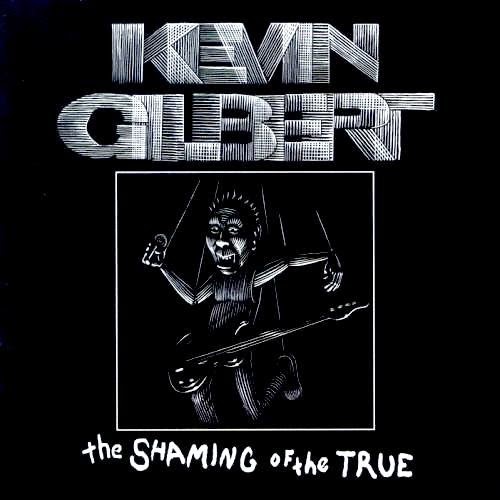
180. Staring into Nothing, by Kevin Gilbert
(The Shaming of the True, 2000)
American singer / songwriter Kevin Gilbert's second solo album, following 1995's Thud, was released years after his death in 1996. The Shaming of the True must have been written and recorded in mid-nineties. Its most impressive track is Staring Into Nothing, a cleverly structured art rock song that you will probably need to hear a few times before it fully sinks in.

179. From Dust to the Beyond, by God Is an Astronaut
(The End of the Beginning, 2002)
The Irish post rock group God Is an Astronaut has impressed us regularly since the release of their debut album The End of the Beginning twelve years ago. From Dust to the Beyond, taken from that album, still remains our number one favorite track of theirs. It has already been written about at length about one year ago - you can check that here. An excellent instrumental work.

178. Oh Yeah, by Can
(Tago Mago, 1971)
One of the true classics from the German experimental rock group Can has also been written about very recently, back when we discussed 1971 in our year by year article series. An irresistible tempo and a wonderfully eccentric atmosphere are completed by the backwards vocal track at the beginning. The most talented singers like Damo Suzuki can apparently do that...

177. Sand, by Demians
(Building an Empire, 2008)
Yet another song that has been written about recently, Sand was #19 on our list of Top 20 Long Prog Masterpieces back in the summer of 2012. You can read the blog entry about it right here. There is little to add to what was already written back then. French musician Nicholas Chapel's lengthy masterpiece is quiet at times and very noisy at others. Works well either way.


176. You / I, by Frost*
(Experiments in Mass Appeal, 2008)
One of the shortest track on the list, You / I runs only 1 minute and 7 seconds. It bridges the gap between two noisier Frost* tracks on what is still their most recent studio album. Here, Jem Godfrey sings quietly, backed only with a piano. Frost* is the British wonder group of modern progressive rock that will appear on the list several times, so we'll write more about them later.

175. Learn to Fly, by Foo Fighters
(There Is Nothing Left to Lose, 1999)
For a while, our list was getting rather progressive rock oriented there, so some straight and simple rock and roll is a welcome change. (Or is it?) One of Foo Fighters' best known and liked songs, Learn to Fly is a minor masterpiece in its genre. It is one of those tracks that nearly everyone can remember hearing even though they may not recognize it.

174. Closure, by Arcana
(Inner Pale Sun, 2003)
Dark ambient rarely gets more lovely than it does on the closing track of Swedish group Arcana's 2003 album Inner Pale Sun. The icily beautiful composition was a standout for us already when we first listened to the album, and continues to be just that even though the other tracks are pretty good too. Perhaps a bit repetitive in its execution, but then, that is the nature of ambient music.

173. Samskeyti, by Sigur Rós
((  ), 2002)
This is track number three on the peak album of the Icelandic group Sigur Rós: (  ). The names of the songs on this particular album were not included in its packaging but could be found in the net. This one has fallen surprisingly far down on the list. Our all time favorite Sigur Rós track is an absolutely beautiful, piano driven instrumental that we must have listened to over a hundred times before April, 2006.


172. After, by Riverside
(Second Life Syndrome, 2005)
The Polish band Riverside has become one of the most interesting new voices in the field of contemporary progressive rock. Their prog comes laced with some metal. The moody opening track of their second studio album has been one of our favorites since it was released. Overall, Second Life Syndrome feels uneven and some of the lyrics are clumsy but its opening is just brilliant.

171. Psycho, by System of a Down
(Toxicity, 2001)
System of a Down also appears on this list for a second time. Weirdly enough, Psycho is higher up on it than Toxicity's best known song Chop Suey! (#197). But yes, we have nonetheless been very, very fond of this insanely fast moving hard rock track that strangely also succeeds in injecting some genuine beauty in its craziness. Pay particular attention to the song's finale.

170. Follow Me to Sleep, by Spock's Beard
(Octane, 2005)
The American progressive rock group Spock's Beard appears on the list for the first time. Most likely it won't be the last. Following the departure of singer Neal Morse, the group released a somehow uncertain sounding album Feel Euphoria (2003). Its follow-up Octane sounds much more assured, as this particular track so perfectly exemplifies. The lyrics are a hoot.

169. Wind at My Back, by Spock's Beard
(Snow, 2002)
That didn't take long. This is Spock's Beard second appearance on the list. From the last album with Neal Morse still on board, Wind at My Back is an absolutely beautiful love song with an earworm type of extremely simple and catchy melody. Lyrics-wise, the song borders on being cloying in its endless praise of a loved one. Near the end it becomes almost comical - yet works well enough to touch.


168. Julie and Candy, by Boards of Canada
(Geogaddi, 2002)
Prior to the pinnacle of their recording career that was The Campfire Headphase (2005), Boards of Canada showed some greatness already with some of their instrumental compositions. Julie and Candy was one of these earlier masterpieces. Taken from 2002's Geogaddi, this track stunned us at about the same time as Samskeyti by Sigur Rós, and for similar reasons.

167. The Grudge, by Tool
(Lateralus, 2001)
American progressive metal band Tool appears on the list for the third time already. The Grudge is the powerhouse opening track of their masterpiece Lateralus. Like Sand by Demians (#177), it also belongs to the relatively small group of songs in our iTunes collection where the singer's voice transforms into a guttural scream at one point.

166. Celebrate Youth, by Rick Springfield
(Tao, 1985)
Finally, some relief in between the complicated, at times even sombre progressive rock tracks. Eighties star Rick Springfield, who also did some acting back then, is a harmless pop singer whose song Celebrate Youth however packs more punch than your average chart topper. The lyrics actually have a meaning, and the strong percussion is hard to resist. Production values are also high.

165. In Your Honor, by Foo Fighters
(In Your Honor, 2005)
Foo Fighters, also appearing for a second time on the list, released what we think is their defining masterwork nine years ago. In Your Honor is an ambitious, rich double album with the harder rocking tracks placed on the first disc and the mellower, acoustic songs on the second disc. The title track opens the first one. We wouldn't be surprised if something from the second one also appeared on the list.


164. Mein Herz Brennt, by Rammstein
(Mutter, 2001)
This heavy metal masterpiece by the German band is also from 2001 that seems to have been one outstanding year for heavy and hard rock (see also Lateralus and Toxicity). The opening track of the otherwise mediocre Mutter is one of the most accomplished metal tracks of the decade. We are particularly impressed with the powerful, rhythmic guitar riffs and the (possibly synthesized) strings.

163. Pocket Sun, by Frost*
(Experiments in Mass Appeal, 2008)
Our second pick from the second album by Frost* is arguably their hardest rocking piece, with the B section even approaching heavy metal. Following the perfect symphonic prog soundscape of previous album Milliontown (2006) this didn't excite us at first but Pocket Sun has grown on us since. Actually, its noisy sequences are kind of fun. For non-relaxing times, do try this.

162. Survivalism, by Nine Inch Nails
(Year Zero, 2007)
The first single pick from NIN's 2007 album Year Zero still remains an entertaining song, if not the best that album has to offer. This is once more a second track from the same artist - and in this case, also album - that won't be the last, far from it. Survivalism has a simple structure and light techno instrumentation typical for recent Trent Reznor songs.

161. Truenorth, by No-Man
(Schoolyard Ghosts, 2008)
Steven Wilson has said that this beautiful nearly 13-minute song is the pinnacle of what he achieved with Tim Bowness as the two man art rock outfit No-Man. Perhaps permanently so, since the album is now six years old and no follow-up seems to be even in planning stages. ProgActive strongly agrees that this is a magnificent piece, with great songwriting evident.

maanantai 23. kesäkuuta 2014

1991: September to December

Let's begin discussing the last four months of 1991 with a song whose exact release date is totally unknown to me: it may have come out any time during the year. But what's even worse, this is not the first publication of the song in question. The Italian singer-songwriter Zucchero Fornaciari released his fifth full length album Oro incenso e birra already on 13 June, 1989. That album included a song called A Wonderful World, sung in Italian, with a guitar solo written and performed by Eric Clapton.


That was the first publication of Wonderful World, embedded above, that didn't really become widely known until it was translated into English and included on Zucchero's self titled compilation album some time in 1991. Then, it became a moderate hit. The music video started playing on MTV which is where I also found it and that was also the first time I'd ever heard of this Italian singer. A wonderful song. But should it be listed as a 1989 or 1991 release? I decided on the latter, since this was the first time the song was available in English. To this day, I haven't heard the Italian language version.

The best short track of the year that manages to beat both Massive Attack's Unfinished Sympathy and Marillion's The Party originates from a slightly unexpected source. On their most recent albums, the Canadian hard / progressive rock group Rush had already been sounding a bit too sterile, technical and wannabe hip for me. Their new album Roll the Bones, out on 3 September, only seemed to continue that trend. This time, they even introduced some rap rhymes to the title track - something unheard of and almost an insult to us old school fans.


A more thorough examination of the album contents revealed something more. While continuing their exploration of sterile high tech sounds, Rush had at the same time somehow managed to write their best song ever. Bravado, embedded above, is a stunning masterpiece that feels almost out of place on an otherwise mediocre album and wins Best short track of the year effortlessly. Rarely has a hard rock song succeeded in being so touching and technically accomplished simultaneously.

September also brought us Talk Talk's follow up to their undying masterpiece Spirit of Eden (1988). The new album was called Laughing Stock and it was stylistically quite similar to its predecessor. However, it took only a couple of times to listen to the album in its entirety to realize that something was missing. Talk Talk had peaked three years ago, and even thought the soundscape of Laughing Stock was very familiar, this time they came short in the songwriting department. Only one track on the album is on par with Spirit of Eden; it is called After the Flood and has been embedded below.


The year was growing late, and with autumn came the breakthrough album of Seattle grungemakers Soundgarden. This particular type of rock was a big thing at the time. Although Nirvana was not quite my cup of tea, I had to admit that they too possessed irresistible energy and were great in writing and performing catchy rock songs. At the time, I however preferred Soundgarden. Their brand of grunge rock was even harder and edgier than Nirvana's. I thought you could label them a hard rock band in general instead of only in the grunge context.

Badmotorfinger, out on 8 October, opens with moderate hit Rusty Cage which played on MTV all the time in late 1991. The second track Outshined is arguably even better in that is not quite as simple and straightforward. But perhaps my number one favorite on the album is still track number four called Jesus Christ Pose. It is where Soundgarden truly kicks ass and the restless imagery of the video embedded below perfectly fits the hard hitting tonal assault.


Next, we will once again discuss a compilation album. Zucchero's compilation included only a new version of a song already written; this one includes two brand new songs, both of them easily among the year's best. Out on 20 October, A Passage in Time by Dead Can Dance successfully  brings together nearly all the best songs from the group's previous three albums Spleen and Ideal (1985), Within the Realm of a Dying Sun (1987) and The Serpent's Egg (1988). Whoever chose what to include, was a genius.

The two new tracks added to the compilation of eighties works are each written by one of the members. Both are really good. Lisa Gerrard's Bird is an atmospheric track with nice vocal work, nature sound effects and a surprisingly strong tempo. But the true masterpiece is Brendan Perry's Spirit: one of the best songs the man has ever written. When listening, please pay attention to the exceptionally strong production values. To really appreciate the sound quality, you will probably need to buy the CD, although the YouTube version will also give you an idea.


4 November marks the release of yet another megabit by Enya. Shepherd Moons was her third album and was once again full of minor classics, although this time there wasn't really such an obvious centerpiece as Orinoco Flow had been on Watermark (1988). Not surprisingly, the album went on to win a Grammy in the category of Best New Age Album and stayed on the Billboard album charts for well over four years. Let's not embed anything for now and move on.

One week later, on 11 November, my old seventies favorite Genesis released their swan song We Can’t Dance. For the most part, it only continued the long string of embarrassments that had already started in 1980 when Phil Collins really took over. However, there are a couple of tracks on the album that make it worth mentioning here (there weren't any on 1986's Invisible Touch that we skipped on purpose). The first one of them is the album's opening track No Son of Mine that is a perfectly fine pop / rock song with a heavy heart.


The second one is the album's closing track Fading Lights which, as you can hear above, is actually very good. Finally the pop sensibilities of Phil Collins have been put to good use! The beautiful song extends to a typical seventies Genesis duration of over ten minutes, and includes an impressive instrumental section. So, by placing this song as the last song on the last real Genesis album, the group is bidding us farewell in style. (There will of course be one more studio album released using the name in 1997, but with Tony Banks and Mike Rutherford as a two man band with a temporary replacement singer, it never really felt like a real Genesis album.)

I will mention this one last album, although it has little to do with progressive rock. The popular eighties Irish rock group U2 released their seminal Achtung Baby on 18 November. Produced by one Brian Eno, the album proved once again that even those artists dedicated to making the simplest rock tracks eventually grow up, develop themselves an ambition and start composing more complicated music. I would like to embed The Fly which was always a favorite of mine and whose video could often be seen on MTV around year end and beyond. Please skip the first 24 seconds, I don't know what the hell they are.


Choosing the best short track of the year is a no-brainer. Bravado by Rush is such an important song for me that there is no way even Massive Attack can beat it, although Unfinished Sympathy comes a close second. What is exceptional is however that for the first time in several years, we will also be able to award Best long track of the year. The title goes to Genesis, whose excellent Fading Lights runs over ten minutes and is perfectly worthy.

Best album is a little tougher choice to make. I feel a little uneasy in awarding Marillion for easily the least progressive work of their career so far. Yet I cannot deny the fact that Holidays in Eden is full of excellent songs and the band is as creative as ever, Fish or no Fish. The Party would even take the third place on my list of Best short tracks of the year close behind Rush and Massive Attack. So, there can be only one answer. Before listing the best of 1991 as well as previous years, let's listen to Enya after all. Here is Book of Days, taken from Shepherd Moons.


ALBUMS OF THE YEAR:
Marillion: Holidays in Eden

UNMISSABLE TRACKS OF THE YEAR:
Dead Can Dance: Spirit
Genesis: Fading Lights
Marillion: The Party
Marillion: Dry Land
Marillion: Holidays in Eden
Massive Attack: Unfinished Sympathy
Metallica: The Unforgiven
Queen: Innuendo
Rush: Bravado
Talk Talk: After the Flood
Yes: The More We Live - Let Go
Zucchero: Wonderful World

Best albums of the year, 1967 to 1991:

1967: Pink Floyd: The Piper at the Gates of Dawn
1968: -
1969: Procol Harum: A Salty Dog
1970: Genesis: Trespass
1971: Genesis: Nursery Cryme
1972: Yes: Close to the Edge
1973: Pink Floyd: The Dark Side of the Moon
1974: Mike Oldfield: Hergest Ridge
1975: Electric Light Orchestra: Face the Music
1976: Genesis: A Trick of the Tail
1977: Yes: Going for the One
1978: Genesis: And Then There Were Three
1979: Robert Fripp: Exposure
1980: Talking Heads: Remain in Light
1981: Camel: Nude
1982: Rush: Signals
1983: Ozzy Osbourne: Bark at the Moon
1984: Rush: Grace Under Pressure
1985: Marillion: Misplaced Childhood
1986: Depeche Mode: Black Celebration
1987: Suzanne Vega: Solitude Standing
1988: Dead Can Dance: The Serpent's Egg
1989: Faith No More: The Real Thing
1990: Depeche Mode: Violator
1991: Marillion: Holidays in Eden

Best short tracks (under approx. 12 minutes), 1967 to 1991:

1967: Pink Floyd: Bike
1968: Pink Floyd: Julia Dream
1969: Pink Floyd: Cirrus Minor
1970: The Beatles: The Long and Winding Road
1971: Genesis: The Fountain of Salmacis
1972: Gentle Giant: Schooldays
1973: John Cale: Paris 1919
1974: Mike Oldfield: Mike Oldfield's Single
1975: The Tubes: Up from the Deep
1976: Gong: Chandra
1977: Yes: Going for the One
1978: Genesis: Down and Out
1979: Barclay James Harvest: Play to the World
1980: Saga: Don't Be Late
1981: John Foxx: The Garden
1982: Laurie Anderson: O Superman (For Massenet)
1983: Brian Eno: An Ending (Ascent)
1984: Laurie Anderson: Blue Lagoon
1985: Talk Talk: Time it's Time
1986: Ultravox: All in One Day
1987: Suzanne Vega: Ironbound / Fancy Poultry
1988: Dead Can Dance: The Host of Seraphim
1989: Marillion: Seasons End
1990: Fish: Vigil
1991: Rush: Bravado

Best long tracks (Approx. 12 minutes or over), 1970 to 1991:

1970: King Crimson: Lizard
1971: Van der Graaf Generator: A Plague of Lighthouse Keepers
1972: Yes: Close to the Edge
1973: King Crimson: Larks' Tongues in Aspic, Part 1
1974: King Crimson: Starless
1975: Mike Oldfield: Ommadawn, Part 1
1976: -
1977: Yes: Awaken
1978: Popol Vuh: Brüder des Schattens, Söhne des Lichts
1979: U.K: Carrying No Cross
1980: Mike Rutherford: Smallcreep's Day
1981: -
1982: Mike Oldfield: Taurus II
1983: Mike Oldfield: Crises
1984: Jean-Michel Jarre: Ethnicolor
1985: Robert Fripp: God Save the King
1986: The Enid: The Change
1987: -
1988: -
1989: -
1990: -
1991: Genesis: Fading Lights

sunnuntai 22. kesäkuuta 2014

Top 250: #181 - #200

We have now entered the top 200 of ProgActive's Top 250. This list has been compiled by checking the 250 most played tracks in our iTunes collection between early April of 2006 and early June of 2014 - a total of 98 months. The precise cut off time was at 6 am on 6 June. If nothing else, we hope this list is useful to those who might be interested in checking out good tracks they may have missed. If you like a lot of the songs on the list and then find one you have never heard, perhaps it might be of genuine interest.


200. If We Ever, by David Guetta
(One Love, 2009)
This blog entry seems to begin with the exact opposite of progressive rock. David Guetta is a famous French DJ and pop musician that has nothing to do with our favorite genre. But when it comes to modern pop, this song of his is among the very best. Ahem, there seems to be little more to say except maybe encourage you to check this song out.

199. Sanctum Sanctorum, by The Damned
(Phantasmagoria, 1985)
So, let's move onward to a considerably safer area although this is still not genuine prog. The British goth masters The Damned released this masterwork in mid-eighties and it has recently been discussed as a part of our year by year blog series. One of the best songs of the era, Sanctum Sanctorum lifts British new wave, or should we say post punk, to artistic heights unimaginable in the late seventies.

198. Vicarious, by Tool
(10,000 Days, 2006)
The new Tool album has been under construction for several years already but for now, 2006's 10,000 Days is still their most recent release. Its opening track Vicarious remains ProgActive's number one favorite. Vicarious exemplifies perfectly everything that has always been great about Tool: very heavy and very precise, this song is the sonic equivalent of a mathematical formula.

197. Chop Suey! by System of a Down
(Toxicity, 2001)
Probably the best known song from the Armenian American metal group System of a Down, Chop Suey! exemplifies perfectly everything that was great about the group exactly like Vicarious did for Tool. ProgActive cannot help but be impressed by the way extreme aggression alternates with the song's more subtle, even tender moments, combining these into a sad message.


196. Sing Swan Song, by Can
(Ege Bamyasi, 1972)
Finally, we are back to familiar territory. Sing Swan Song is one of our favorite songs from the German experimental rock group Can, whose heyday extended from the late sixties to mid-seventies. Ege Bamyasi is their fourth album, made between the better known Tago Mago (1971) and Future Days (1973) and this one is its key track.

195. Codex, by Radiohead
(The King of Limbs, 2011)
Taken from Radiohead's eighth and still the most recent album, Codex is a sensitive, melody driven song that serves as a good reminder of how good this alternative rock outfit can still be at their best. Otherwise, it is starting to look like the group's best days are already behind them. The rest of The King of Limbs we could take or leave.

194. Open Mind, by Blackfield
(Blackfield, 2004)
The opening track of Blackfield's 2004 masterpiece debut is already the second song taken from it that has made it to Top 250. It is slightly more aggressive in tone than the rest of the duo's output. The quiet opening of the song grows to a massive wall of sound towards the end - an effect that we at ProgActive are often impressed with. We can be easy to please.

193. Let the Happiness in, by David Sylvian
(Secrets of the Beehive, 1987)
A considerable portion of English singer David Sylvian's output sounds so alienatingly artistic that large audiences probably find it inaccessible. Not so in this case: Let the Happiness in is simply brilliant in its lovely simplicity. Just a well written song with a beautiful melody and a positive message. Actually we are surprised it didn't get any higher on the list than this. Haven't we played it any more often?


192. All in One Day, by Ultravox
(U-vox, 1986)
Here is another song that we discussed not so long ago when listing the best works of 1986. We actually selected All in One Day as the #1 best short track of that year. It is definitely Ultravox's greatest masterpiece, even if it isn't their most familiar one. One of the pioneering groups of the futuristic pop scene of the early eighties, they really nailed it here, a few years later.

191. The Roots of Coincidence, by Pat Metheny Group
(Imaginary Day, 1997)
We have a Grammy winner on our list! The American Pat Metheny Group's outstanding instrumental track won that award in 1999 for Best Rock Instrumental Performance, while the whole album Imaginary Day won for Best Contemporary Jazz Album. We think there is a distinct possibility that we'll find also another track taken from it in the Top 250. We didn't check, but it's likely.

190. You Know I'm Right, by David Gilmour
(About Face, 1984)
The Pink Floyd guitarist wrote and recorded this amusing song about his longtime bandmate Roger Waters at around the same time they were parting ways for good. The last Pink Floyd album with both still on board had been released a year earlier. Gilmour succeeded in composing a very fine rock song that would work great even if its lyrics were about something else.

189. The Dead Man's Dream, by Procol Harum
(Home, 1970)
One good way to completely capture our attention is to tell an actual thought provoking story in the lyrics of a rock song. Procol Harum did exactly that in this excellent track taken from their fourth studio album. The Dead Man's Dream is a horror story to boot - our favorite genre. The story gives additional meaning to the music and accentuates the song's eerie finale. Brrrr.


188. Sisters of Remindum, by Anthony Phillips
(Sides, 1979)
This track from original Genesis guitarist's early solo album is somehow reminiscent of The Tale of Taliesin by Soft Machine that we discussed earlier. In both cases, a well designed track is intentionally broken down, so to speak, with a zany experimental / jazzy sequence that borders on plain cacophony. Like Soft Machine, Phillips also masters his craft. Awesome.

187. Butterfly Song, by Jocelyn Pook
(Untold Things, 2001)
Jocelyn Pook's soulful music came to our attention when her compositions played on the soundtrack of Stanley Kubrick's final film Eyes Wide Shut (1999). Butterfly Song is quite different from the film compositions. Taken from Untold Things that was released a couple of years after her international breakthrough, the song is more lyrical and employs some interesting voice processing effects.

186. Hyperpower! by Nine Inch Nails
(Year Zero, 2007)
This instrumental track runs well under two minutes and serves as a powerful opener to one of Nine Inch Nails' less successful albums. Year Zero (2007) sounds like something that Trent Reznor was not really interested in doing but was contractually obliged to. At that point, it was NIN's last album for a major label, after which some experimental low profile releases followed.

185. Close Your Eyes, by No-Man
(Returning Jesus, 2001)
Returning Jesus is the fourth album of Tim Bowness and Steven Wilson's art rock project and at that point easily their best. They would go on to improve even on this with their next album. Close Your Eyes is a lengthy piece with a soothing instrumentation, relaxed tempo and a somehow tropical atmosphere. We suppose we could call it one of ProgActive's recommendations for relaxing music.


184. Sara, by Fleetwood Mac
(Tusk, 1979)
Fleetwood Mac was a pop group back when that word meant something quite different from what it means today. They actually had style and were all about music instead of image. Following the incredible success of Rumours (1977), Tusk must have been a difficult follow-up. The double vinyl is indeed uneven, but does reach greatness from time to time, Sara being a good example of that.

183. Broad Sunlit Uplands, by Mike Oldfield
(The Millennium Bell, 1999)
Mike Oldfield has repeatedly tried to recreate his original megasuccess Tubular Bells (1973). The Millennium Bell, released shortly before we entered the year 2000, is as mediocre as the other attempts, but does include a couple of really good tracks. The beautiful instrumental Broad Sunlit Uplands is one, and we wouldn't be surprised to find the other one somewhere on this list as well.

182. Pluvius Aestivus of Summer Rain (Homines Fabula Initium), by Pain of Salvation
(Be, 2004)
The Swedish progressive metal group Pain of Salvation has made several interesting albums during their career that spans two decades. One of their most satisfactory releases has been Be, out a full ten years ago. For a large part, it feels like an ambitious failure but it does have its moments, one of them being this song with a complicated title partially in Latin.

181. Lady, by Haikara
(Haikara IV: Domino, 1998)
Next, we move from Sweden to Finland. Haikara is also a progressive rock group but they began their career already in the seventies. Domino from 1998 is not quite as proggy as the group's older releases. In fact, the absolutely beautiful instrumental Lady is only a great art rock track with nothing complicated about it - you might label it under new age.

perjantai 13. kesäkuuta 2014

Top 250: #201 - #225

While using iTunes playtime statistics as a basis to an all time Top 250 should yield quite good results, there is one drawback. Since we at ProgActive started using iTunes as late as in April 2006, those musical works that were new then and have been released since, have a clear edge over older material. To be able to create a more accurate Top 250, iTunes should really have existed at the beginning of the seventies and recorded everything from then onward.

Had it been so, the top of the list would probably be filled with truly classic prog tracks such as Awaken by Yes that we listed last time as #229. Over all time, it must have been one of the most played tracks by ProgActive, but it has received considerably less playing time since 2006 because by then it was already so familiar and often heard.

An inevitable question arises. Will the top of the list even contain progressive rock? The answer is a resounding yes, although the prog tracks there are not the greatest classics of all time. Those received their attention already in the seventies and early eighties. But when we look at the top of the list, its top 2 consists of tracks that cannot possibly be labelled as anything other than progressive rock, and there are many, many others further down as well.


225. Schism, by Tool
(Lateralus, 2001)
One modern progressive rock classic is Tool's outstanding 2001 album Lateralus. The American prog metal group take their time fine tuning their albums, yet all but one of them are far from perfect except for playing skill. Lateralus is that one exception. Schism is one of its most accessible songs.

224. Crossfire, by Kansas
(Vinyl Confessions, 1982)
Another American group Kansas made their most famous albums already in the seventies. One of our favorite songs of theirs here at ProgActive is however from the early eighties. Crossfire is a six minute symphonic prog masterpiece that we don't seem to get tired of.

223. Once, by OSI
(Free, 2006)
OSI, short for Office of Strategic Influence, is yet another American progressive rock group that has been active since the early 2000's. Led by original Dream Theater keyboardist Kevin Moore, the group has recently veered towards progressive metal but Once from eight years ago bears no traces of that yet.

222. What Have We Sown? by The Pineapple Thief
(What We Have Sown, 2007)
The slow building, continuous 27-minute progressive rock song is yet another minor masterpiece on the list, performed by the British progressive / art rock outfit The Pineapple Thief. We have actually dedicated a separate blog entry to it about a year and a half ago. Would you like to know more? Please check it out.

221. Save Me, by Muse
(The 2nd Law, 2012)
Another British art rock group, Muse released their latest album The 2nd Law a couple of years ago and succeeded especially well with this beautiful track that we placed third when listing the best works of 2012. You can read more about that right here.


220. October Sunshine, by Mercury Rev
(Snowflake Midnight, 2008)
The American Mercury Rev is yet another art rock group who have succeeded in getting our attention and guaranteeing themselves a place in the Top 250. The atmospheric October Sunshine is taken from 2008's Snowflake Midnight which is still their most recent album release.

219. Pigeon Drummer, by No-Man
(Schoolyard Ghosts, 2008)
The British two-man No-Man is yet another Steven Wilson project. Their 2008 album Schoolyard Ghosts still remains their latest studio release. Pigeon Drummer is an extremely challenging track with its mood changes from quiet beauty to ugly noise. We hated it at first, but have grown to like it later on.

218. Apocalypse Please, by Muse
(Absolution, 2003)
This is yet another peculiar coincidence. Muse has two tracks very close to each other on the list, although taken from two different albums released nine years apart. Apocalypse Please is a grandiose piece of British art rock at its very finest.

217. Floating, by Klaus Schulze
(Moondawn, 1976)
Finally we go for something completely different. Floating is a lengthy instrumental piece from German electronic music composer Klaus Schulze recorded in the mid-seventies. Schulze was once a member of Tangerine Dream; this track sounds a lot like that group's output.

216. Wrong, by Depeche Mode
(Sounds of the Universe, 2009)
ProgActive has been mostly disappointed with the most recent output of once great Depeche Mode. Yet only their very latest album seems to be completely without merit. This strong track is from the second latest, and works like the group's nineties prime works.


215. Eye of the Storm, by Camel
(I Can See Your House from Here, 1979)
One of British progressive rock group Camel's most beautiful songs is this instrumental track taken from their 1979 album with the humorous if enigmatic cover image above. The track was composed by a newcomer in the band, Kit Watkins of Happy the Man.

214. Paul McCarthy, by Harold Budd
(Luxa, 1996)
Another lovely instrumental in a row is quite different from the previous one. American composer Harold Budd has been one of our favorites for several decades and this piano driven, peaceful ambient instrumental is one of his very best. Memorable and minimal.

213. Not This Way (Chapter 10), by Saga
(Full Circle, 1999)
Canadian rock group Saga made their most memorable recordings in the late seventies and early eighties, then became too techno pop oriented for our taste. Surprisingly, they have returned to form later on and this absolutely beautiful ballad is one great example of that.

212. Show Me, by Yes
(The Ultimate Yes, 2004)
Almost precisely ten years ago, we attended a Yes concert in Helsinki where they played this song, then unknown to us. We had to look for it in the internet since it wasn't included in the version of The Ultimate Yes collection released in Finland. This search required some work back then, but it was worth it.

211. Constant Contrast, by Nosound
(A Sense of Loss, 2009)
We found the Italian art rock group Nosound around 2008, so they are perfectly positioned to score well in the Top 250. I suspect there will be several other tracks of theirs on the list. Constant Contrast, while a lovely song, isn't even our favorite track on their 2009 album.


210. Someone Starts to Fade Away, by Nosound
(Lightdark, 2008)
That certainly didn't take long! This beautiful song is from the group's best album so far, 2008's Lightdark that contains several of our other favorites as well. This song is a perfect introduction to Nosound for those who are not yet familiar with them. If you like this, you will like most of their other songs as well.

209. In the Smoke, by Cerrone
(Supernature, 1977)
Following two Italian tracks comes a French one. Cerrone was a cult seventies figure, a pop music composer who never became truly famous - outside France anyway - but who gained some notoriety as the composer of the theme track to the Kenny Everett Show. In the Smoke is its variation.

208. Fadeaway, by Porcupine Tree
(Up the Downstair, 1993)
The beautiful closing track of Porcupine Tree's second album has done quite well on the list. Originally, this album was a solo effort by Steven Wilson, but the remastered 2005 release contained some upgrades such as other musicians, real drums, and that is the version we at ProgActive have learned to like.

207. Sometimes I Feel Like Screaming, by Deep Purple
(Purpendicular, 1996)
Deep Purple may have recorded most of their classic tracks in the seventies, but this excellent 1996 song may just be our all time favorite. It is either this one, or Perfect Strangers which is not from the seventies either. A lengthy, enjoyable hard rock song without noticeable faults.

206. Resident Alien, by The Pineapple Thief
(Variations on a Dream, 2003)
This stunning instrumental from The Pineapple Thief's peak album is certainly not going to be the last track from it that made it to the Top 250. Even without checking we can guess that there will most likely be up to three more masterpieces taken from it further up on the list.


205. Valtari, by Sigur Rós
(Valtari, 2012)
One of the latest tracks on the list is also one of its most awesome instrumentals. Like we wrote earlier when discussing the best music of 2012 (see #221 for link), we had already more or less forgotten about Sigur Rós. This breathtaking new album and its title track in particular proved that they were still a force to be reckoned with.

204. One Man's Poison, by Rupert Hine
(Waving Not Drowning, 1982)
Another masterpiece that is actually even better than its standing on the list implies, One Man's Poison was found by us in Spotify only a couple of years ago. Hence, it hasn't had time to climb any higher than this. An unforgettable rock track with a weighty message.

203. The Fear Has Gone, by Engineers
(Three Fact Fader, 2009)
Of all the shoegazing groups, the British Engineers are our biggest favorite and have several songs of theirs in the Top 250. A new album Always Returning will be out in less than two months, on 11 August. This song is from Three Fact Fader, the group's peak album so far.

202. Speaking in Lampblack, by Echolyn
(Echolyn, 2012)
Another relatively fresh entry, Echolyn's second self titled album is two years old this June. Speaking in Lampblack is a ten minute song that is one of the most accomplished works on the album. Overall, the 2012 release was one of the group's very best.

201. Heart Attack in a Lay by, by Porcupine Tree
(In Absentia, 2002)
Erm, this entry puts us slightly into shame. This song is one of the greatest musical masterpieces of the 21st century and we are dumbfounded to find it this far down in the Top 250. It would make much more sense to find it somewhere in top 50. A moving story backed with a melancholic, atmospheric melody.